How to Identify Fake Loan Apps in Nigeria in 2026: Complete Protection Guide
How to Identify Fake Loan Apps in Nigeria: The 2026 Complete Safety Guide
In the wake of Nigeria’s digital banking revolution, access to quick credit has become easier than ever. However, this convenience has a dark side. As of 2026, the rise of predatory “loan sharks” and fraudulent mobile applications has reached a critical point. While legitimate fintech companies offer a lifeline, fake loan apps are designed to harvest your personal data, extort your money, and damage your social reputation.
The Federal Competition and Consumer Protection Commission (FCCPC) and the Central Bank of Nigeria (CBN) have introduced strict regulations to curb these abuses. However, scammers continue to evolve. This comprehensive guide will empower you with the knowledge to distinguish between a licensed financial partner and a digital predator.
The 2026 Regulatory Landscape: What has Changed?
In late 2025, the FCCPC introduced the Digital, Electronic, Online, and Non-Traditional (DEON) Consumer Lending Regulations. This landmark framework set a final deadline of January 5, 2026, for all digital lenders to fully regularize their operations.
Today, any loan app operating in Nigeria without formal registration is technically illegal. Under the Nigeria Data Protection Act (NDPA) 2023, these apps are also prohibited from accessing your private contacts or gallery for debt recovery. Despite these laws, many “underground” apps still bypass app store filters to target unsuspecting borrowers.
10 Crucial Ways to Identify Fake Loan Apps in Nigeria
1. Verify the FCCPC and CBN Status
Every legitimate lender must be registered. The FCCPC maintains a “database of approved digital money lenders.”
- The Test: Before downloading, visit the official FCCPC portal. Look for “Full Approval” or “Conditional Approval.”
- Red Flag: If the app’s parent company is not listed, or if they claim to be a “Microfinance Bank” but do not appear on the CBN’s list of licensed MFBs, it is a scam.
2. Excessive Permission Requests
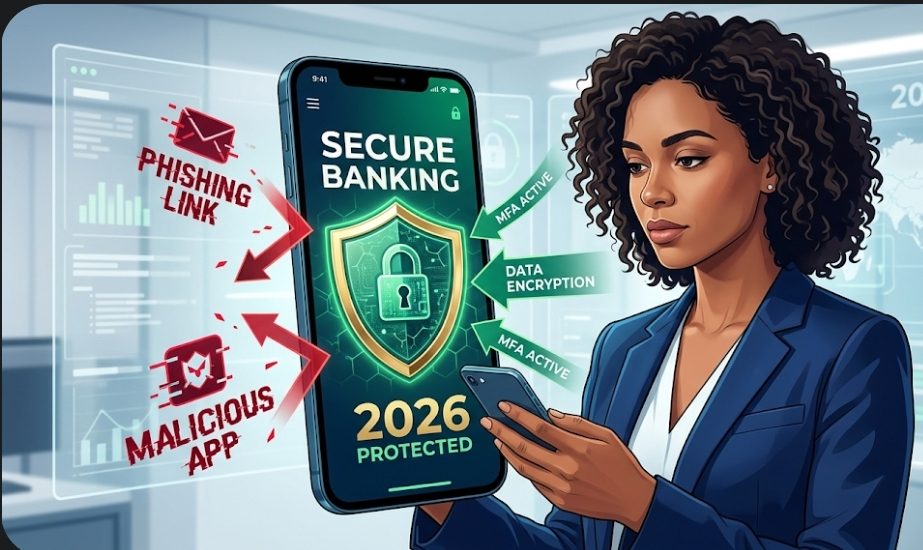
Fake apps are essentially “spyware” in disguise. When you install a loan app, pay close attention to the permissions it requests.
- Safe Apps: Ask for Camera (for KYC/Selfies) and Location (to prevent fraud).
- Fake Apps: Demand access to your Contact List, SMS Logs, and Private Photo Gallery. They use your contacts to send “defamation” messages to your boss, parents, and friends if you are even an hour late with a payment.
3. Unrealistic “Hook” Offers
Scammers use “too good to be true” offers to lure victims.
- The Trap: Promises of ₦500,000 instant loans with “zero interest” or “no BVN required.”
- The Reality: No legitimate financial institution provides large sums of money without a credit check or Bank Verification Number (BVN). These offers are designed to get you to install the app so they can steal your data.
4. Extremely Short Tenors (The 7-Day Trap)
Google and the FCCPC have banned apps that offer “short-term” loans of less than 60 days.
- Fake App Tactic: They may advertise a 90-day loan but, once disbursed, the app sets a 7-day or 14-day repayment deadline. This is a classic “loan shark” tactic designed to force you into a cycle of debt and penalties.
5. Demands for Upfront “Processing Fees”
This is the most obvious sign of a scam.
- The Scam: The app claims your loan is approved, but you must pay a “commitment fee,” “insurance fee,” or “system activation fee” of ₦2,000 to ₦5,000 to “release” the funds.
- The Truth: Legitimate lenders like FairMoney or Carbon never ask for money upfront. They deduct their processing fees from the loan amount disbursed to you.
6. Poor Digital Infrastructure and Grammar
Professional financial institutions invest millions in user experience (UX) and security.
- Check the App: Are there spelling errors in the terms and conditions? Is the logo blurry or copied from another brand? Does the app crash constantly?
- Check the Website: If the developer’s website is a broken “blogspot” page or uses a free email (e.g., loanboss247@gmail.com), stay away.
7. Anonymous Developer Profiles
On the Google Play Store, look at the “Developer Contact” section.
- Legitimate Apps: Will list a verifiable physical office address in Nigeria (e.g., Victoria Island, Lagos) and a corporate email domain (e.g., @fairmoney.io).
- Fake Apps: Usually list a vague address or an address in a foreign country that doesn’t match the service area.
8. Negative “Harassment” Reviews
Always filter reviews by “1-star” first.
- Warning Signs: If you see multiple reviews mentioning “defamation,” “shaming,” “death threats,” or “they called my contacts,” it is a confirmed predatory app. Ignore the 5-star reviews, as scammers often buy “bot” reviews to boost their ratings.
9. Lack of Transparent Interest Rates (APR)
By law, lenders must disclose their Annual Percentage Rate (APR).
- Fake Apps: Often hide the true cost of the loan until after you have signed up. They may charge interest rates that exceed 300\% per annum, which is illegal under Nigerian consumer protection laws.
10. The “Ghost” Customer Support
Try to contact their support before you take a loan.
- Legitimate Apps: Have active chat support, a working phone line, and social media handles with a “Verified” blue tick.
- Fake Apps: Have “dead” phone numbers and never respond to emails. Their goal is to remain anonymous so they can evade the law.
Your Rights under the NDPA 2023
The Nigeria Data Protection Act (NDPA) 2023 is your strongest shield. It explicitly states that:
- Purpose Limitation: A lender can only use your data for the purpose of credit scoring.
- Consent: Accessing your contacts without explicit, informed consent for a specific purpose is a criminal offense.
- Dignity: Debt recovery methods must not violate the “fundamental right to dignity” of the borrower.
The FCCPC has the power to fine violators up to ₦100 million or 1% of their annual turnover. In early 2026, several popular “sharks” were permanently delisted from the Google Play Store due to these regulations.
Safe and Licensed Alternatives in Nigeria
If you need urgent cash, always prioritize these top-tier, licensed platforms:
- FairMoney: A licensed Microfinance Bank with millions of users.
- Carbon: Offers loans, savings, and investment options.
- Branch: Known for its simple interface and fair interest rates.
- ALAT by Wema: Nigeria’s first fully digital bank.
- Renmoney: Best for larger, long-term personal or business loans.
Step-by-Step: How to Report a Loan App Scam
If you are being harassed or have discovered a fake app, take these steps:
- Document Evidence: Take screenshots of the app, the threats, and the transaction alerts.
- Report to FCCPC: Send an email to lenderreport@fccpc.gov.ng or use their online complaint form at fccpc.gov.ng.
- Flag on Play Store: Use the “Report as Inappropriate” feature in the Google Play Store.
- Notify Your Bank: If you shared your BVN or card details, inform your bank to monitor for unauthorized debits.
- Contact the Police: If you receive death threats or are being blackmailed with private photos, visit the nearest Cybercrime Unit of the Nigeria Police Force.
Frequently Asked Questions (FAQs)
1. Can a fake loan app block my BVN?
No. Only the Central Bank of Nigeria (CBN) or a court of law can restrict a BVN. Fake loan apps use this threat to scare you into paying.
2. Should I pay back a loan from an unlicensed app?
While you should always strive to pay back debts, if an app is harassing you or charging illegal interest, you should report them to the FCCPC first. Often, the FCCPC advises victims of illegal sharks to wait for official mediation.
3. How do they get my contact list?
When you click “Allow” on the permission pop-up during installation, you give the app’s code permission to “scrape” your entire contact book and upload it to their private server.
4. Is “QuickCheck” or “Palmcredit” safe?
Yes, as of 2026, apps like QuickCheck and Palmcredit are fully registered with the FCCPC and comply with Nigerian lending laws.
5. What is the “watchlist” for loan apps?
The FCCPC maintains a watchlist of apps under investigation for unethical behavior. Check this list regularly to stay safe.
Conclusion
Protecting your financial health in 2026 requires more than just finding a low interest rate; it requires digital vigilance. By sticking to FCCPC-approved lenders and refusing to grant excessive permissions, you can avoid the nightmare of digital harassment.
Remember: If a loan offer feels like a trap, it probably is. Stay safe, stay informed, and always verify before you borrow.

Iniobong is the Founders of EazySaves and a seasoned Career Consultant with over 4 years of experience in Virtual HR Management. Holding an M.A. and B.A. in Linguistics, Iniobong combines his deep understanding of structured communication with SEO expertise to provide Nigerians with clear, actionable advice on career growth and financial literacy. He is dedicated to helping young professionals navigate the digital economy with ease.
The co-founder is Anietie Asuquo